Greenwich Council rules for rubbish and household waste
Posted on 26/06/2026
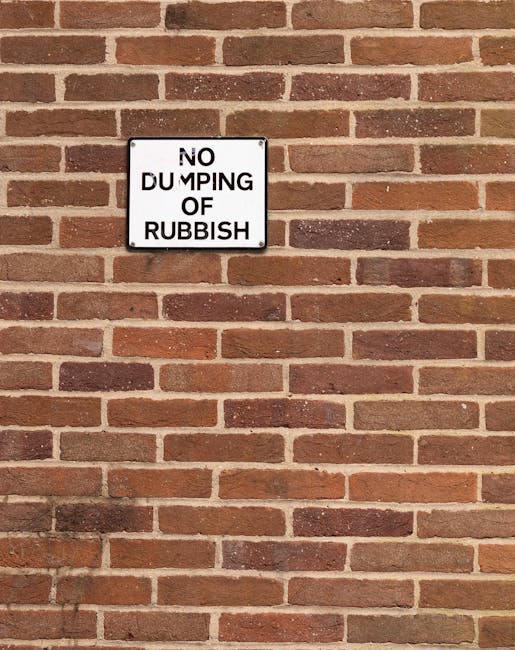
Greenwich Council rules for rubbish and household waste: a practical local guide
If you live in Greenwich, manage a rental, or just want to get rid of a pile of everyday clutter without causing a headache, the Greenwich Council rules for rubbish and household waste are worth understanding properly. They shape what goes out, when it goes out, and what happens when it does not. And to be fair, most problems start with small assumptions: a bag left next to the bin, the wrong item in recycling, or a bulky item that was never meant for the weekly collection in the first place.
This guide breaks everything down in plain English. You will learn how household waste collection typically works, what counts as general waste versus recycling, how to stay on the right side of local expectations, and where private waste removal can help when council services are not the best fit. If you want a quick overview of broader services first, it can also help to look at the services overview and the company's approach to recycling and sustainability.
Let's face it, rubbish rules are never exciting. But when you get them right, the whole house runs more smoothly. Fewer smells, fewer missed collections, fewer awkward notes from neighbours. That alone is worth a bit of attention.
Table of Contents
- Why Greenwich Council rules for rubbish and household waste matters
- How Greenwich Council rules for rubbish and household waste works
- Key benefits and practical advantages
- Who this is for and when it makes sense
- Step-by-step guidance
- Expert tips for better results
- Common mistakes to avoid
- Tools, resources and recommendations
- Law, compliance, standards, or best practice
- Options, methods, or comparison table
- Case study or real-world example
- Practical checklist
- Conclusion
- Frequently asked questions
Why Greenwich Council rules for rubbish and household waste matters
Household waste rules are not just about keeping streets tidy. They affect public health, kerbside access, recycling performance, and the general feel of a neighbourhood. In Greenwich, as in most London boroughs, the practical reality is simple: if waste is presented badly, the collection may be delayed, rejected, or left for the resident to resolve. That can mean missed pickups, extra mess, and a bit of a domino effect for everyone else on the street.
There is also a cost angle. Incorrect disposal can lead to avoidable private collection charges, repeat trips to clear items that should have been sorted earlier, or fines in more serious enforcement situations. Nobody wants that. A resident clearing out a flat before tenants change over will feel it quickly; so will a family with a growing pile of packaging after a weekend delivery spree.
The other reason it matters is consistency. A bin system works best when everyone follows the same rules: which container to use, how to present it, what not to overfill, and what should be kept separate. Small habits matter more than people think. One wrong habit repeated by a whole street, and suddenly the kerbside looks like a mini dumping ground by 8 a.m.
Expert takeaway: the best way to stay compliant is not to memorise every possible exception. It is to get the basics right every week: sort properly, present waste neatly, and treat bulky or specialist items as separate from ordinary household rubbish.
If you are planning a bigger clear-out, you may also find the company's house clearance Greenwich information useful, especially where council bin capacity is simply not enough.
How Greenwich Council rules for rubbish and household waste works
At a practical level, council waste rules revolve around three things: separation, presentation, and timing. Separation means putting the right material in the right container. Presentation means putting bins or bags out correctly. Timing means placing them out on the correct collection day and removing them promptly once emptied.
Most households deal with a combination of general rubbish, recycling, food waste, and occasionally garden waste or bulky items. General waste is the non-recyclable material that remains after you have sorted what can be recovered. Recycling usually includes clean, accepted dry materials; food waste, where collected, should be kept separate so it does not contaminate other recycling. The exact setup can vary by property type, street layout, and bin provision, so a terraced house and a block of flats may not operate in quite the same way.
In many boroughs, collection crews will only take waste that is properly contained. Bags left loose, broken sacks, or items overflowed from bins can be refused. That is annoying when it happens, but it is also a common-sense safeguard. A loose bag split open in wet weather is nobody's idea of a good morning.
For larger or awkward items, council services may not be suitable. That is when private help becomes a sensible option. A one-off clear-out, a garden overhaul, or an office refresh can fit better with a dedicated collection. If you are comparing service types, the page on waste removal Greenwich is a useful place to start, and for heavier trade-style material, builders waste disposal Greenwich may be more relevant.
Sometimes the question is not "what can the council take?" but "what is the cleanest, safest way to get this out of the property without causing extra work?" That is a very different decision.
Key benefits and practical advantages
Following the rules brings more than compliance. It makes household life easier, and honestly, that is the bit most people care about day to day.
- Cleaner streets and shared spaces: properly presented waste reduces spillage, odour, and pest attraction.
- Fewer missed collections: if bins are sorted and placed correctly, crews can work more efficiently.
- Better recycling outcomes: clean recycling streams are more likely to be processed properly.
- Less stress for busy households: once you know the system, waste stops being a weekly guessing game.
- Improved property presentation: particularly important for landlords, sellers, and managing agents.
There is also a quieter advantage: fewer arguments. Shared bins in blocks of flats, converted houses, or mixed-use buildings can become a surprisingly emotional topic. If everyone knows what belongs where, things calm down. A little. Not always completely, but enough.
For landlords and property managers, this also supports tenant turnover and move-in readiness. A flat that has been cleared properly looks cared for, and that can make a genuine difference. If you are looking at the wider local property context, there is useful reading in the property market in Greenwich and Greenwich real estate investment guide articles, which help frame why cleanliness and compliance matter around occupier expectations too.
Who this is for and when it makes sense
This topic matters to more people than you might expect. It is not just for homeowners with overflowing bins. In practice, the rules affect almost everyone handling domestic waste in Greenwich.
- Homeowners: especially if you are renovating, decluttering, or managing family waste volume.
- Tenants: because correct bin use is often part of keeping a tenancy in good order.
- Landlords and letting agents: who need common areas and void periods handled neatly.
- Household movers: when moving day creates packaging, broken furniture, and general chaos.
- Garden owners: because cuttings, soil, and green waste need careful handling.
- Small businesses operating from home: because business waste should not be mixed casually with domestic rubbish.
It also makes sense whenever your normal bin routine is not enough. Maybe you are clearing a loft at the weekend. Maybe a child has returned from university with a van load of stuff. Maybe you have had a new kitchen delivered and the boxes are beginning to take over the hallway. That is the moment to step back and decide whether standard household collections are enough, or whether a specialist collection would be simpler.
For people in busy homes, there is also a convenience threshold. Once waste starts blocking corridors, patios, or front steps, it stops being an inconvenience and becomes a safety issue. No one wants to trip over flattened boxes on a rainy evening in November. Not ideal, really.
Step-by-step guidance
If you want the simplest way to stay on track, follow this practical sequence. It works for most households and avoids the usual scramble on collection day.
- Sort waste at the point it is created. Keep recycling, food waste, and general waste separate from the start. It is much easier than trying to sort everything the night before collection.
- Check what your property is set up for. Flats, shared houses, and detached homes may have different container arrangements. If you are unsure, look at the bins you actually have rather than guessing.
- Flatten and clean where sensible. Cardboard boxes should be broken down, and containers should be rinsed if needed. A greasy pizza box is not the same as a clean one, and yes, that matters.
- Keep prohibited items separate. Batteries, paint, electricals, gas canisters, and hazardous materials should not go in ordinary household bins.
- Use the right collection route for bulky waste. Furniture, mattresses, broken appliances, and refurbishment debris often need a special pickup or a private service.
- Present waste neatly on the correct day. Put items out where they are meant to go, not far earlier than necessary. Early placement can attract fly-tipping or create nuisance.
- Remove bins promptly after collection. This is a small thing, but it keeps pavements clear and avoids complaints.
A helpful habit is to treat waste like laundry. If you leave it until it becomes a mountain, the job becomes harder than it should be. If you deal with it in smaller stages, life stays much calmer.
When you are dealing with a larger amount than the standard collection can reasonably handle, a dedicated team can save time. In those cases, the company's rubbish collection Greenwich service is a natural fit for one-off domestic clearances.
Expert tips for better results
These are the small, practical habits that make a surprisingly big difference.
- Set a weekly reset point. Ten minutes before bin day can prevent overflows and forgotten items.
- Keep a "not for bin" box. Put batteries, cables, light bulbs, and awkward bits in one place until you can dispose of them correctly.
- Use clear bags for sorting inside the home. This helps everyone in the household see what goes where. Less confusion, fewer excuses.
- Do not overfill containers. Overflowing bins are the quickest route to problems with collection crews.
- Think about weather. Wind and rain can make loose waste messy fast, especially cardboard and lightweight packaging.
- For larger clearances, book before the mess peaks. It is much easier to work in a tidy room than a hallway full of half-packed items.
One thing we see often is people trying to squeeze a bulky clear-out into ordinary bins over several weeks. It sounds economical. Sometimes it is not. The hidden cost is the time, the clutter, and the irritation of living around piles of stuff for ages. Truth be told, many households prefer a cleaner reset.
If you are comparing approaches, the company's pricing and quotes information can help you judge whether a one-off collection is the more practical route.

Common mistakes to avoid
Most waste issues come from a handful of repeat mistakes. Once you know them, they are fairly easy to avoid.
- Mixing recyclable and non-recyclable waste: contamination can reduce what gets recovered.
- Leaving items beside the bin: councils and collectors usually expect waste to be contained properly.
- Putting specialist waste into ordinary collections: electricals, chemicals, and renovation waste need separate handling.
- Ignoring presentation rules in shared housing: one badly placed bag can affect everyone.
- Waiting until the last minute: this often leads to rushed sorting and avoidable mistakes.
- Assuming every item can go out with the weekly rubbish: not everything should.
Here is the big one: people often assume "household waste" means "anything from the house." It does not. A broken wardrobe, leftover paint, a pile of hedge trimmings, and a pile of kitchen scraps all need different decisions. That one assumption causes a lot of headaches.
For garden-specific waste, it can be worth looking at a dedicated route such as garden waste removal Greenwich, especially after pruning, landscaping, or a heavy seasonal tidy-up.
Tools, resources and recommendations
You do not need a complicated system. A few simple tools usually do the trick.
- Kitchen caddy or food waste container: helps keep food waste separate and tidy.
- Stackable storage boxes: ideal for holding batteries, cables, small electronics, and recyclable odds and ends.
- Permanent marker and labels: especially useful in shared homes or for tenants splitting bins.
- Sturdy sack or box area in a utility room: for temporary holding before collection day.
- Waste diary for busy households: simple notes on what fills up fastest can help you plan better.
For mixed household and commercial-style clearances, it is sensible to use the right service for the right waste stream. Office fixtures, desks, and old filing cabinets are not the same as domestic black-bag waste, even if they have all been sitting in the same property. If that sounds familiar, the page on office clearance Greenwich may be useful.
And if you are trying to understand how a provider works before you book anything, the company's about us page can give you a feel for the people behind the service. That matters more than most people admit.
Law, compliance, standards, or best practice
Waste disposal in the UK sits within a broader framework of environmental and duty-of-care expectations. You do not need to become a compliance specialist to manage household rubbish properly, but a few principles are worth knowing.
First, keep waste contained and presented properly. If a collection system requires bins, sacks, or specific placement, follow that. Uncontained waste can create a safety hazard and may not be collected.
Second, separate hazardous and specialist materials. Items such as paint, oils, batteries, sharps, gas cylinders, and many electrical goods should not go into ordinary household waste unless specifically accepted through a suitable route.
Third, remember duty of care basics. If you hand waste to someone else, it should go to a legitimate and suitable collection route. That matters for households as well as businesses. As a rule of thumb, if a disposal option sounds suspiciously casual, it probably is.
Fourth, avoid fly-tipping by never dumping items in alleys, pavements, communal areas, or near bins that are already full. Even if you think "someone will deal with it," that is exactly how local nuisance problems start.
Best practice is simple: sort, store, present, and dispose of waste through a proper route. That is the safest approach for residents and the least troublesome for neighbours. Greenwich's local rhythm is busy enough already.
When a load is beyond normal household collection, a professional waste provider should also manage removal carefully and with insurance and safety in mind. You can read more about those standards in the company's insurance and safety information, which is reassuring if you are booking a larger clearance.
Options, methods, or comparison table
Choosing the right waste route depends on what you have, how much of it there is, and how quickly it needs to go. This simple comparison can help.
| Option | Best for | Strengths | Limitations |
|---|---|---|---|
| Standard household bin collection | Daily domestic rubbish, recycling, food waste | Convenient, routine, familiar | Not suitable for bulky or specialist waste |
| Bulky waste or special collection route | Furniture, white goods, awkward household items | Handles larger items more appropriately | May need booking or separate handling |
| Private rubbish collection | One-off clear-outs, urgent removals, mixed loads | Fast, flexible, less hassle | Usually a paid service |
| Garden waste removal | Branches, hedge cuttings, soil, green material | Cleaner and more efficient for seasonal jobs | Not for general household rubbish |
| Builders waste disposal | Renovation debris, rubble, offcuts, packaging | Better for heavier and messier loads | Needs proper classification and handling |
If you are on the fence, ask one question: is this normal weekly household waste, or is it a one-off load that needs a different solution? That usually clears the fog quickly.
For pricing context, you can also review how much rubbish collection costs in Greenwich SE10 and the guide on avoiding hidden rubbish removal charges in Greenwich. Those articles are helpful if you are weighing whether a private pickup is worth it.
Case study or real-world example
Picture a typical Greenwich terrace in early spring. The household has done a tidy-up: wardrobe boxes, old toys, a broken bedside table, two bags of general waste, and a small pile of garden trimmings from the back yard. On paper, it does not sound like much. In reality, it is enough to create a cramped hallway and a small mess by the front step if nobody plans it properly.
Here is how a sensible approach would usually go. The family sorts the cardboard, keeps the general waste separate, places the garden cuttings in a distinct pile, and checks what can realistically go in the weekly collection. The broken furniture is the wildcard. That is not going to disappear neatly into a bin, and trying to force it will only waste time. So they book a dedicated collection for the larger items and keep the rest ready for normal pickup.
The result is cleaner, quicker, and much less stressful. No guessing. No last-minute panic. No awkward walk to the bin store with a chair leg sticking out of a black sack like a bad joke.
That kind of real-world planning is exactly why people often combine normal bin discipline with occasional specialist removal. The routine stays simple, and the unusual jobs get handled properly.
Practical checklist
Use this quick checklist before collection day or before arranging a larger removal.
- Have I sorted recycling, general waste, food waste, and special items separately?
- Are all bags, boxes, and bins closed and manageable?
- Have I flattened cardboard and removed obvious contamination where sensible?
- Are batteries, electricals, paint, or other hazardous items kept out of normal bins?
- Do I know whether any bulky items need a separate service?
- Is waste being stored safely and not blocking exits, paths, or shared areas?
- Have I checked whether garden or builders waste needs its own route?
- Do I know the collection day and the correct presentation point?
That list sounds simple, and it is. But simple done consistently is what keeps everything under control.
Conclusion
Greenwich Council rules for rubbish and household waste are really about keeping everyday life tidy, predictable, and manageable. Once you understand the basics, the whole system becomes easier to work with. Sort properly, present waste neatly, separate specialist items, and use the right collection route when the load gets bigger than the weekly bin can handle.
For many households, that will be enough. For others, especially during moves, renovations, garden projects, or clear-outs, a professional collection is the better practical choice. The goal is not perfection. It is getting the job done cleanly, safely, and without unnecessary stress. And honestly, that is a pretty good result.
Get a free quote today and see how much you can save.
When waste is handled well, a home feels calmer straight away. Strange but true.

 Tipper Van - Rubbish Collection and Builders Waste Removal Prices in Greenwich, SE10
 Luton Van - Rubbish Collection and Builders Waste Removal Prices in Greenwich, SE10


