Business rubbish collection Greenwich office bins and recycling
Posted on 12/07/2026
Business rubbish collection Greenwich office bins and recycling: a practical guide for offices, shops, and workplaces
If your workplace in Greenwich is running out of bin space, mixing recyclables with general waste, or simply trying to keep the office tidy without turning rubbish into a daily headache, you are in the right place. Business rubbish collection Greenwich office bins and recycling is not just about taking bags away. It is about creating a system that keeps your premises presentable, your staff comfortable, and your waste handling sensible from week to week.
In real life, the problem usually starts small. A few extra cardboard boxes by the printer. A coffee station that fills up by Wednesday. Recycling that looks neat in theory, then becomes a muddled "someone will sort it later" pile by Friday afternoon. Sound familiar? This guide breaks down how office waste collection works, what to put in each bin stream, what mistakes cost businesses time and money, and how to make recycling easier without overcomplicating the whole thing.
We will also cover local context, practical steps, and the kind of everyday decisions that help a workplace stay organised. If you need a broader view of the available services first, it can help to look at the site's services overview and the sustainability approach outlined in recycling and sustainability.
Quick takeaway: the best office waste setup is usually the one staff actually follow. Simple bin labels, sensible collection timing, and a clear recycling routine beat a complicated system every time.
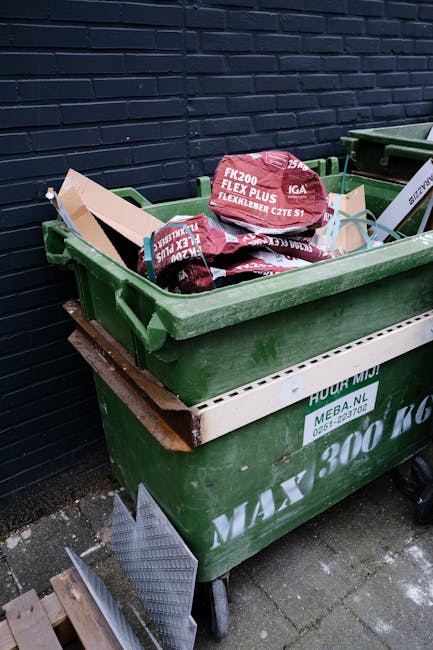
Why Business rubbish collection Greenwich office bins and recycling Matters
Office waste is one of those things people only notice when it goes wrong. A full bin in a meeting room. A recycling container overflowing beside the kitchen. A stack of old files waiting "just one more day" on the floor. It does not take much before the space starts to look tired, and once that happens, morale and productivity tend to follow. Not dramatically, but enough to be felt.
For businesses in Greenwich, good rubbish collection and recycling habits matter for a few practical reasons. First, they help keep shared spaces usable. Second, they reduce the odds of contamination in recycling streams, which can make waste handling less efficient. Third, they support a cleaner, more professional impression for visitors, clients, and staff. Let's face it, nobody wants to sit through a meeting next to a bin that smells like yesterday's lunch.
There is also a cost angle. When a workplace does not separate waste properly, general waste volumes rise. That often means more frequent collections, more bagged waste, and more unnecessary disposal. Businesses that build a clearer sorting routine usually find it easier to plan, and planning is where the real saving often happens. If you want to understand where pricing discussions usually begin, the page on pricing and quotes is a useful starting point.
And then there is the sustainability piece. Many companies want to make a genuine effort without turning the office into a recycling lecture. Fair enough. A practical setup, backed by regular collection and clear bin use, is usually enough to make a visible difference.
How Business rubbish collection Greenwich office bins and recycling Works
At its simplest, the process is about separating waste streams and collecting them on a schedule that fits the workplace. In most offices, that means one or more of the following: general waste bins, mixed recycling bins, paper and card bins, and sometimes secure containers for confidential documents or specialist items. The exact mix depends on the size of the office and the type of work being done.
Here is the usual flow in plain English:
- Waste is created in work areas, kitchens, meeting rooms, print zones, and storage spaces.
- Staff sort it into the right containers using simple signs and bin placement.
- Collections are scheduled so bins do not overflow and waste does not pile up.
- Collected material is taken for disposal or recycling depending on the stream.
- The setup is reviewed when bin use changes, the office grows, or collections become too frequent or not frequent enough.
The tricky part is not the collection itself. It is the design of the system around it. If your recycling bins are tucked away in a corner while the general waste bin sits right beside every desk, people will default to the easiest option. Human beings are predictable like that. Put the right bin in the right place, and behaviour improves almost on its own.
For offices that need a broader waste solution beyond routine collections, it can be useful to compare general waste handling with the options discussed on waste removal in Greenwich or the more specific office clearance Greenwich service where an office is changing layout, downsizing, or clearing out unused items.
Smaller businesses often work with a simple bin rotation. Larger workplaces may need a more formal schedule, storage point, and clearer waste segregation. There is no single perfect setup. The right system is the one that fits how your team actually behaves between Monday morning and Friday close.
Key Benefits and Practical Advantages
A well-run office bin and recycling system does more than keep the floor clear. The benefits are tangible, and in day-to-day operations they add up quickly.
- Cleaner workspaces: fewer stray bags, less clutter, and less visual noise around the office.
- Better staff experience: people are more comfortable in a tidy environment, especially in shared kitchens and hot-desking areas.
- More efficient recycling: clearer sorting usually means fewer mixed loads and less confusion.
- Fewer unpleasant surprises: nobody likes discovering a bin pile on a busy morning.
- More professional client-facing spaces: reception areas and meeting rooms look sharper when waste is under control.
- Easier facilities management: a routine is easier to maintain than a rescue mission.
There is also a soft benefit that gets missed: good waste systems reduce friction. Staff do not waste time asking where things go. Facilities teams are not constantly emptying bins that should have been balanced better from the start. Even small efficiencies matter in a workplace where everyone is already juggling too much.
If your office is dealing with mixed waste from refurbishments, clear-outs, or furniture changes, a separate review of handling methods can help. The site's builders waste disposal Greenwich page may be useful where office works create heavier or bulkier waste than normal.
Practical note: recycling only works well when the bin system is easy enough for someone carrying a half-empty coffee cup and a laptop bag to use correctly. That is the standard, really.
Who This Is For and When It Makes Sense
This kind of waste setup is not just for large corporate offices. It can help a wide mix of Greenwich businesses, especially where the premises generate regular paper, packaging, food waste, or general workplace rubbish.
- Small offices with a handful of desks and a modest kitchen area.
- Shared workspaces where different teams create different waste patterns.
- Retail back offices with packaging, receipts, display materials, and daily consumables.
- Professional practices that need tidy, client-ready rooms and secure handling for sensitive items.
- Growing teams that have outgrown the "one small bin will do" phase.
- Businesses moving premises or refreshing their fit-out and needing a cleaner reset.
It makes especially good sense when people start saying things like, "We need another bin already," or "Who keeps putting cardboard in the general waste?" Those are usually the early warning signs that the system needs a rethink. Not a crisis, just a nudge.
It is also worth considering a more structured approach if your business is in an area where access, storage, or collection timing matters. Greenwich has a mix of commercial streets, residential edges, and busy local movement, so well-timed collections can make a big difference. For local context, the article on Greenwich council rules for rubbish and household waste can help you think about how business waste habits sit alongside general local expectations.
Step-by-Step Guidance
If you are setting up or improving business rubbish collection for office bins and recycling, a simple step-by-step approach works best.
- Audit what you are throwing away. Look at a normal week. Is it mostly paper and cardboard? Food and drinks? Packaging? A mixture of everything? This tells you what bins you actually need.
- Identify problem areas. Kitchens, print stations, reception desks, meeting rooms, and stock cupboards are the usual suspects. Waste tends to collect where people pause.
- Place bins where people need them. If recycling is inconvenient, it will get ignored. Simple as that.
- Label each stream clearly. Use short labels and plain language. A bin that says "paper only" is better than a clever sign nobody reads.
- Set a realistic collection schedule. Too frequent and you pay for unnecessary pickups. Too infrequent and the place begins to look messy. Balance matters.
- Train the team lightly, but clearly. You do not need a lecture. A quick introduction at onboarding or a team email usually does the job.
- Review after a few weeks. If one bin is always full and another barely used, adjust the setup.
A useful habit is to check the bins at the end of the day once or twice a week. You will notice patterns quickly: cardboard building up after deliveries, food waste around busy lunch periods, or recycling contamination near the printer. Those small clues tell you where to improve.
If you are comparing services while putting your setup together, the page on rubbish collection Greenwich gives a useful entry point into the broader collection side, while about us can help build trust around who is handling the work.
Expert Tips for Better Results
Over time, the best office waste systems tend to be the simplest ones that people stick to. Here are some field-tested habits that make a genuine difference.
- Keep recycling bins visible. Hidden bins are forgotten bins. Put them where people naturally stand, not where storage space happens to exist.
- Use fewer, better-labelled bins. Too many options can create hesitation. People pause, then choose the bin they understand fastest.
- Separate cardboard early. Flat cardboard takes up much less room than crushed mixed waste. It is one of the easiest wins.
- Watch lunch areas closely. Tea bags, food wrappers, cans, and takeaway packaging can quickly dominate the waste flow.
- Make bin access part of office design. Even in a small office, the location of waste bins affects how the whole space feels.
- Review seasonal changes. More deliveries, events, or office visits often mean more waste. Winter and year-end periods can be busier than expected.
One small but helpful trick: ask the person who empties the bins where the mistakes keep happening. Facilities staff often notice patterns before management does. They see the hidden mess, the crushed recyclables, the "someone dumped three coffee cups in the paper bin" situation. They know.
For businesses seeking a fuller sustainability angle, the page on recycling and sustainability is a smart companion read. And if you are dealing with a move or a large clear-out, the more focused office clearance Greenwich page can be relevant too.

Common Mistakes to Avoid
Most waste problems are surprisingly ordinary. That is the annoying part. They are not dramatic failures; they are little systems that were never quite thought through.
- Putting bins where nobody passes. Convenience beats intention every time.
- Using vague labels. "Recycling" on its own is not always enough. People need to know what belongs in it.
- Ignoring contamination. A few wrong items can spoil an otherwise useful recycling stream.
- Letting cardboard pile up. It looks harmless until it is suddenly everywhere.
- Underestimating kitchen waste. Tea, coffee, packaging, and lunch scraps add up quickly.
- Choosing collection intervals by guesswork. Better to monitor for a couple of weeks than assume the old schedule still fits.
- Failing to review after office changes. A new team, new service, or new delivery pattern can change waste output fast.
Another common mistake is treating recycling as a one-off office project. It is not. It works best as part of routine office housekeeping, like cleaning desks or checking supplies. Small habits, repeated often, are what keep it working.
If cost is a concern, it is worth reading how much rubbish collection costs in Greenwich SE10 and avoid hidden rubbish removal charges in Greenwich before you compare options.
Tools, Resources and Recommendations
You do not need a warehouse of equipment to run a decent office waste setup. In most cases, a few sensible tools are enough.
| Tool or resource | What it helps with | Best for |
|---|---|---|
| Clearly labelled bins | Helps staff sort waste quickly and correctly | Every office, especially shared spaces |
| Bin liners and liners of the right size | Reduces spills and makes emptying easier | Kitchen areas and desk-side bins |
| Simple waste map | Shows where each bin type belongs | Larger or multi-floor offices |
| Collection calendar | Keeps pickups consistent and prevents overflow | Businesses with regular waste volume |
| Confidential disposal process | Supports secure handling of sensitive paper waste | Professional services and admin-heavy offices |
Useful resources on this site include the broader services overview, the practical notes in insurance and safety, and the general terms in terms and conditions. Those are not glamorous reads, admittedly, but they matter when you are making a proper decision.
My recommendation? Start with the least complicated version of your system that solves the actual problem. Then adjust. Too many offices do the reverse and end up with a beautiful plan nobody uses. A bit ironic, really.
Law, Compliance, Standards, or Best Practice
For business waste in the UK, the key point is straightforward: businesses have a responsibility to manage their waste properly and use a lawful, traceable approach. The exact requirements can vary depending on the type of waste, how it is stored, and what is being collected. So while it is sensible to keep the discussion practical, it is also worth being careful.
In plain terms, good practice usually includes:
- separating recyclable material where appropriate;
- avoiding contamination between waste streams;
- keeping waste stored safely and tidily before collection;
- using a collection approach that suits the type and volume of waste;
- keeping records or paperwork where needed for business waste handling;
- making sure staff understand what goes where.
That does not mean every office needs a heavy compliance manual. But it does mean waste should not be handled casually. In a workplace setting, simple, consistent process is the safest route. If you are unsure how a particular waste stream should be treated, it is better to ask before it becomes a habit. That saves trouble later.
For businesses that want to keep their wider values clear and transparent, the site also provides pages such as privacy policy, payment and security, and accessibility statement. They are not directly about waste, of course, but they do support the broader trust picture.
Options, Methods, or Comparison Table
Different businesses need different collection models. Here is a simple comparison to help you think through the usual options.
| Method | Best for | Advantages | Trade-offs |
|---|---|---|---|
| Standard scheduled collections | Regular office waste | Predictable, easy to manage, low friction | May need adjustments during busy periods |
| On-demand collections | Irregular or seasonal waste spikes | Flexible when volumes change quickly | Less predictable if waste builds up fast |
| Combined office and recycling setup | Most modern workplaces | Encourages sorting and reduces general waste | Requires staff cooperation and clear labels |
| Bulk clear-out service | Moves, refurbishments, or one-off resets | Clears large amounts quickly | Not suitable for day-to-day office waste |
If your business is in a transition period, a one-off bulk collection can make sense first, followed by a cleaner recurring waste routine. That is often the simplest route after a move, office refresh, or long-overdue declutter. For a bigger clear-out, the page on house clearance Greenwich is not an office page, but it can still be useful if you are clearing mixed items in a broader premises reset and need to understand how full-load removal is approached.
Case Study or Real-World Example
Imagine a small Greenwich office with twelve staff, a kitchenette, two meeting rooms, and a printer area that never seems to stay neat for long. At first, they have one general waste bin in the kitchen and a recycling box near reception. It sounds organised enough. In practice, though, staff keep dropping paper into the wrong bin, cardboard backs up after deliveries, and the kitchen bin is full by midweek.
What changes the situation is not a dramatic overhaul. It is a reset. They add a second recycling point near the printer, move the general waste bin closer to the kitchen exit, label each stream clearly, and ask staff to flatten cardboard before disposal. Collection timing is also adjusted so the bins are cleared before Thursday, not after things start to smell a bit stale.
Within a few weeks, the office feels calmer. The bins are easier to manage. Recycling is less contaminated. The kitchen looks less cramped. Nothing fancy. Just a working system. That is usually the goal, even if nobody posts about it on a Monday morning.
For businesses that are still deciding which local service path to take, the article on same-day rubbish removal in Greenwich Park and Blackheath may help if urgency is part of the picture.
Practical Checklist
Use this checklist to sanity-check your office waste setup. It is simple on purpose.
- Do we know what waste types the business creates most often?
- Are the bins placed where staff naturally use them?
- Are bin labels clear, short, and easy to understand?
- Is cardboard flattened before collection?
- Are recycling bins protected from contamination by general waste?
- Do kitchen and print areas have enough bin capacity?
- Is the collection schedule matched to actual waste volume?
- Does someone review bin use after changes in staffing or layout?
- Are staff aware of what goes in each stream?
- Have we checked the service terms and cost structure before committing?
If you can tick most of those off, you are already in better shape than many offices. And if you cannot, that is fine too. Start with the two or three biggest gaps first. That usually gets the best results fastest.
Get a free quote today and see how much you can save.
Conclusion
Business rubbish collection Greenwich office bins and recycling is really about making the everyday easier. A clean office, a sensible bin layout, regular collections, and a recycling routine that staff can actually follow - that combination does a lot of quiet work in the background. It keeps the place tidier, helps reduce unnecessary waste, and makes the whole workplace feel more under control.
The best systems are not the most complicated ones. They are the ones that survive busy mornings, awkward lunch rushes, and the occasional Friday afternoon cardboard mountain. If your office can handle those moments without chaos, you are probably doing well.
And honestly, that is enough to aim for. A practical system, a little consistency, and a cleaner space by the end of the week. Not bad at all.
 Tipper Van - Rubbish Collection and Builders Waste Removal Prices in Greenwich, SE10
 Luton Van - Rubbish Collection and Builders Waste Removal Prices in Greenwich, SE10


